

The New Reality of Car Buying
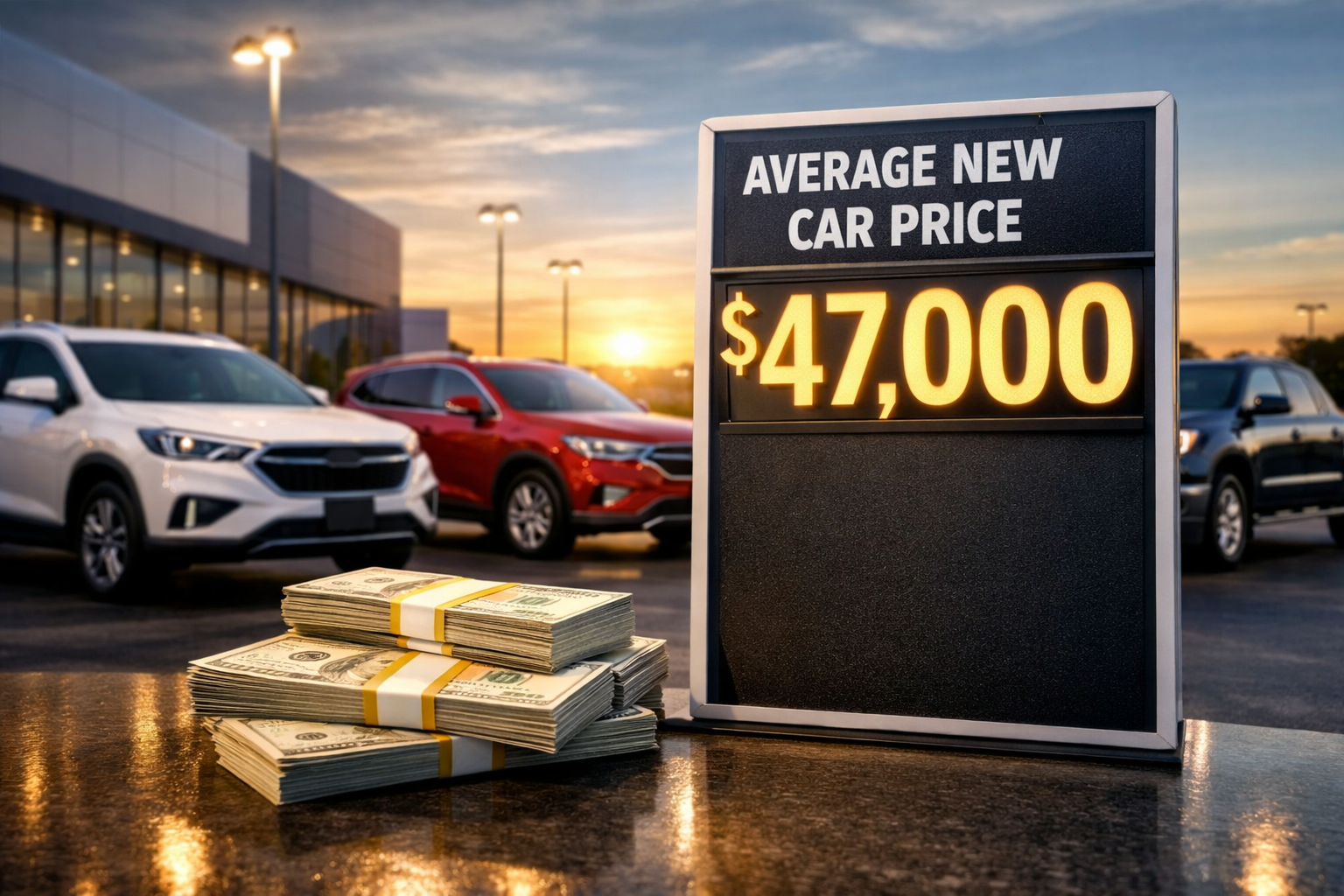
Not long ago, buying a new car for under $25,000 was normal. Compact sedans, small hatchbacks, and basic pickup trucks filled dealer lots with affordable options for everyday drivers. Today, that reality has changed dramatically. The average price of a new vehicle in the United States has climbed to around $47,000, and many popular SUVs and trucks now cost far more than that. For many buyers, the increase feels sudden and confusing. Why have car prices risen so dramatically in just a few years? The answer lies in a combination of shifting consumer demand, rising technology costs, global supply chain pressures, and major changes within the automotive industry itself.
Why the Average New Car Price Has Reached $47,000
Several major trends are driving vehicle prices higher. While inflation plays a role, the automotive industry itself has undergone structural changes that significantly affect how vehicles are designed, produced, and priced.
1. Automakers Are Prioritizing Higher-Profit Vehicles
Over the past decade, many manufacturers have shifted away from small economy cars and toward SUVs, trucks, and luxury trims. These vehicles generate far higher profit margins.
Compact cars that once sold for $18,000–$22,000 have quietly disappeared from many automaker lineups. In their place are crossover SUVs and mid-size trucks that often start above $30,000.
From a business perspective, the strategy is simple: building fewer vehicles with higher profit margins is often more profitable than producing large numbers of entry-level models.
As a result, the average price of vehicles sold naturally rises.
2. Advanced Technology Is Now Standard
Modern vehicles contain far more technology than cars built even ten years ago. Features that were once limited to luxury vehicles are now standard in many mid-level models.
Examples include:
- Large touchscreen infotainment systems
- Advanced driver-assistance systems
- Lane-keeping technology
- Adaptive cruise control
- Over-the-air software updates
- Digital dashboards and camera systems
Each of these technologies requires powerful processors, sensors, and complex software systems. Developing and integrating these technologies adds thousands of dollars to the cost of building a modern vehicle.
Automakers now describe many vehicles as software-defined platforms, which require continuous development similar to consumer electronics.
3. Electric Vehicle Development Is Expensive
The global shift toward electric vehicles is another major contributor to rising prices.
Automakers are investing hundreds of billions of dollars into EV research, battery factories, and new vehicle platforms. While electric vehicles promise lower operating costs over time, the upfront development costs remain extremely high.
The battery pack alone can represent 30–40% of an electric vehicle’s production cost.
Even traditional gasoline vehicles are becoming more expensive as manufacturers redesign their platforms to support hybrid and electric powertrains in the future.
4. Supply Chain Disruptions Increased Production Costs
The automotive industry relies on complex global supply chains. Modern vehicles contain thousands of parts sourced from dozens of countries.
Disruptions during the past several years exposed how fragile those supply networks can be. Semiconductor shortages alone forced automakers to delay or cancel the production of millions of vehicles.
To reduce the risk of future disruptions, many companies are now restructuring their supply chains. While this improves stability, it also increases costs.
Those costs ultimately flow into the price consumers pay.
5. Consumer Demand Has Shifted Toward Larger Vehicles
Another key factor behind rising prices is consumer preference.
In North America, buyers increasingly prefer:
- SUVs
- crossovers
- pickup trucks
These vehicles are larger, heavier, and more expensive to manufacture than compact sedans.
Even when base prices appear reasonable, buyers often add optional packages that include upgraded interiors, technology packages, and larger engines.
The result is a higher average transaction price across the entire market.
What Mechanics Say About Modern Vehicles
Professional mechanics often see the effects of these industry changes firsthand. Modern vehicles are generally more reliable than those built decades ago, but they are also far more complex.
According to many independent technicians, the biggest change in modern cars is the increased reliance on electronics and software systems.
A single vehicle may contain dozens of control modules that manage everything from engine timing to safety systems. While these technologies improve performance and safety, they also make repairs more specialized and sometimes more expensive.
Mechanics frequently point out that diagnosing modern vehicles requires advanced diagnostic equipment and software access that wasn’t necessary in older cars.
Despite these complexities, many mechanics agree that modern engines and drivetrains are capable of lasting 200,000 miles or more when properly maintained.
The Hidden Costs of Owning a Modern Vehicle
Beyond the purchase price, modern car ownership includes several additional costs that buyers should consider.
Key Ownership Expenses
- Insurance premiums
More expensive vehicles typically cost more to insure. - Technology repair costs
Sensors, cameras, and radar systems can increase repair costs after accidents. - Interest rates on auto loans
Higher interest rates significantly increase monthly payments. - Maintenance for complex systems
Hybrid systems, turbochargers, and advanced electronics require specialized service. - Depreciation
New vehicles lose value quickly during the first several years of ownership.
Understanding these costs helps buyers make more informed decisions when selecting a vehicle.
Practical Advice for Buyers Facing High Car Prices
While vehicle prices remain elevated, there are several strategies buyers can use to reduce costs and make smarter purchasing decisions.
1. Consider Lightly Used Vehicles
Vehicles that are one or two years old often provide significant savings compared with buying brand new. Many modern cars retain most of their features and reliability while avoiding the steepest depreciation.
2. Compare Maintenance Costs Before Buying
Some vehicles are significantly cheaper to maintain than others. Researching reliability ratings and typical repair costs can prevent expensive surprises later.
3. Avoid Unnecessary Options
Technology packages and luxury upgrades can quickly increase the price of a vehicle. Buyers should focus on features they will actually use rather than purchasing the highest trim level.
4. Look at Hybrid Options
Hybrid vehicles often offer excellent fuel efficiency while avoiding some of the higher purchase prices associated with fully electric vehicles.
5. Shop Around for Financing
Auto loan interest rates vary widely between lenders. Comparing financing options can reduce monthly payments and save thousands of dollars over the life of the loan.
Frequently Asked Questions
Why is the average new car price so high today?
Vehicle prices have increased due to rising manufacturing costs, electric vehicle development, advanced technology features, and strong demand for SUVs and trucks.
Will new car prices go down soon?
Prices may stabilize as supply chains improve and production increases, but advanced technology and electrification will likely keep vehicles more expensive than in the past.
What is the average price of a new car in the United States?
The average new vehicle price is currently around $47,000, though prices vary widely depending on vehicle type and features.
Are modern cars more reliable than older vehicles?
In many cases, yes. Modern engines and transmissions are designed to last longer, but the increased use of electronics can make repairs more complex.
Is it better to buy new or used right now?
Many buyers find that lightly used vehicles offer the best balance between price, reliability, and modern features.
The Future of Car Prices
The automotive industry is in the middle of one of the most significant transitions in its history. Electric vehicles, advanced safety technology, and software-defined systems are reshaping how cars are designed and manufactured.
These innovations promise cleaner transportation, improved safety, and smarter vehicles. However, they also introduce new costs that affect the final price buyers see at the dealership.
For consumers, understanding these changes is essential. The era of the $20,000 new car may be fading, but informed buyers can still make smart choices by researching reliability, comparing ownership costs, and avoiding unnecessary upgrades.
As the automotive landscape continues to evolve, the most successful buyers will be those who approach vehicle ownership not just as a purchase—but as a long-term investment in transportation.