

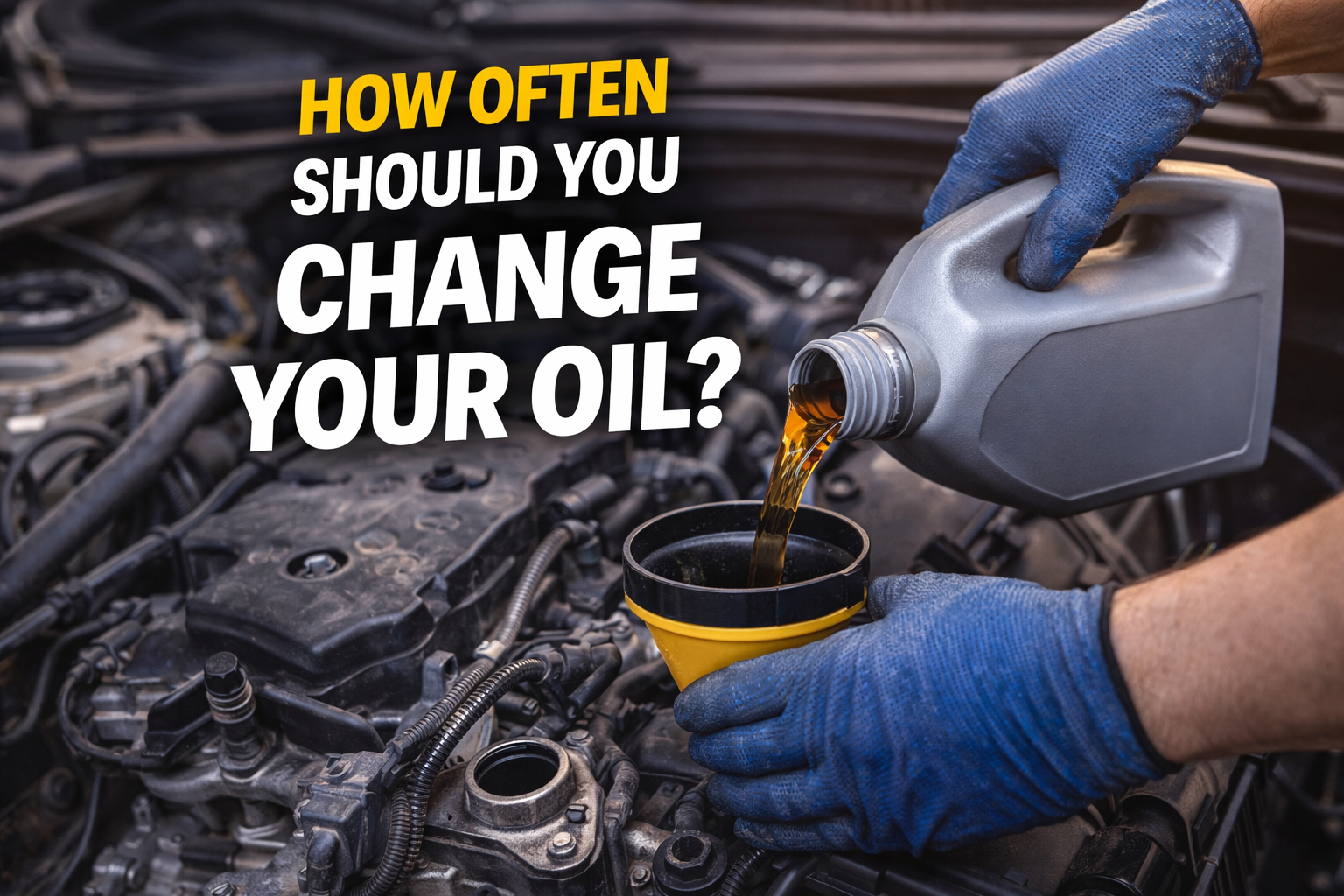
Few maintenance tasks are as important—or as widely debated—as the oil change. For decades, drivers were told to replace their engine oil every 3,000 miles without question. Today, modern engines, improved oil formulations, and advanced engine management systems have changed that rule dramatically. Many vehicles can now safely go 5,000, 7,500, or even 10,000 miles between oil changes, depending on the engine design and driving conditions. Yet confusion remains among drivers about what schedule is actually best for their vehicle. Changing oil too frequently can waste money, while waiting too long can cause costly engine damage. Understanding how engine oil works and how driving habits affect it can help drivers maintain optimal engine health and extend the lifespan of their vehicle.
Quick Answer
Most modern vehicles should have their oil changed every 5,000 to 7,500 miles, though some newer engines using synthetic oil can go up to 10,000 miles between oil changes. The exact interval depends on the vehicle manufacturer, oil type, driving conditions, and engine design.
Why Engine Oil Is So Important
Engine oil performs several critical functions that keep your engine running smoothly and efficiently. Without proper lubrication, internal engine components would experience extreme friction and wear within minutes.
The primary roles of engine oil include:
-
Lubricating moving engine parts to reduce friction
-
Cooling engine components by transferring heat away from critical areas
-
Cleaning contaminants such as dirt and metal particles from engine internals
-
Preventing corrosion by protecting metal surfaces inside the engine
-
Sealing piston rings to maintain compression
Over time, however, engine oil begins to degrade. Heat, combustion byproducts, and microscopic debris gradually reduce the oil’s effectiveness. When oil breaks down too far, it can no longer properly protect the engine.
Traditional Oil Change Intervals
For many years, the standard recommendation was to change engine oil every 3,000 miles or three months, whichever came first.
This guideline originated decades ago when engines used conventional oils that degraded faster and vehicles lacked sophisticated engine management systems.
Modern vehicles operate very differently. Improvements in engine design, oil chemistry, and filtration systems have dramatically extended safe oil change intervals.
Today, most manufacturers recommend longer intervals because:
-
Synthetic oils resist breakdown better than older conventional oils
-
Modern engines run cleaner and more efficiently
-
Oil filtration systems capture more contaminants
-
Engine monitoring systems track oil condition
These improvements allow oil to remain effective for longer periods without compromising engine protection.
How Oil Type Affects Change Intervals
Not all engine oils are created equal. The type of oil used in your engine plays a major role in determining how often it should be replaced.
1. Conventional Oil
Conventional oil is refined directly from crude petroleum. While it provides adequate lubrication, it tends to break down more quickly under heat and stress.
Typical change interval:
3,000 to 5,000 miles
2. Synthetic Blend Oil
Synthetic blends combine conventional oil with synthetic additives that improve performance and durability.
Typical change interval:
5,000 to 7,500 miles
3. Full Synthetic Oil
Full synthetic oils are engineered to resist breakdown, maintain viscosity, and perform better under extreme temperatures.
Typical change interval:
7,500 to 10,000 miles
Many modern vehicles require synthetic oil to maintain proper engine performance and efficiency.
Driving Conditions That Require More Frequent Oil Changes
Even if your vehicle uses synthetic oil, certain driving conditions can shorten the lifespan of engine oil.
Drivers who frequently operate under the following conditions may need to change oil more often:
-
Frequent short trips where the engine rarely reaches full operating temperature
-
Stop-and-go city driving that increases engine stress
-
Extreme temperatures, both hot and cold
-
Heavy towing or hauling loads
-
Dusty or dirty environments
Under these conditions, mechanics often recommend reducing oil change intervals to protect the engine.
Expert Mechanic Insights
Experienced mechanics often emphasize that oil changes are one of the simplest and most cost-effective ways to extend engine life.
Many engines that exceed 200,000 miles or more have one thing in common: consistent oil maintenance.
Mechanics frequently see engines fail prematurely because oil changes were neglected. Sludge buildup, excessive wear, and overheating are common results of degraded oil.
Professional technicians also note that oil filters play a crucial role in engine health. Even high-quality oil can become contaminated if the oil filter cannot effectively capture debris.
Replacing the oil filter with every oil change ensures contaminants are removed before they circulate through the engine.
Signs Your Oil Needs to Be Changed
While mileage intervals provide a good guideline, there are also visual and mechanical signs that indicate oil may need to be replaced.
Drivers should watch for the following warning signs:
-
Dark, dirty oil on the dipstick
-
Engine noise or knocking sounds
-
Oil warning light on the dashboard
-
Excessive exhaust smoke
-
Oil smell inside the vehicle
These signs may indicate degraded oil or other engine issues that require attention.
How Oil Changes Affect Engine Longevity
Regular oil changes dramatically extend the life of an engine. Engines rely on a thin layer of oil to prevent metal components from grinding against one another.
When oil becomes too thin or contaminated, friction increases and internal engine parts begin to wear more rapidly.
Consistent oil maintenance protects:
-
camshafts
-
crankshaft bearings
-
piston rings
-
cylinder walls
-
timing components
Protecting these components allows engines to operate efficiently for hundreds of thousands of miles.
Practical Oil Maintenance Tips for Drivers
Drivers who want to maximize engine lifespan should follow a few simple oil maintenance practices.
-
Check oil levels regularly using the dipstick
-
Follow the manufacturer’s recommended oil specification
-
Use high-quality oil filters
-
Avoid delaying oil changes beyond recommended intervals
-
Pay attention to dashboard oil life monitoring systems
Many modern vehicles include oil life monitoring systems that calculate oil condition based on driving behavior and engine temperature. These systems can provide more accurate service reminders than fixed mileage intervals.
Frequently Asked Questions
How often should I change my oil?
Most vehicles should have their oil changed every 5,000 to 7,500 miles, though some vehicles using synthetic oil may extend intervals up to 10,000 miles.
Is the 3,000-mile oil change rule outdated?
For most modern vehicles, yes. Advances in synthetic oils and engine technology have extended safe oil change intervals well beyond 3,000 miles.
What happens if you wait too long between oil changes?
Waiting too long can cause oil to break down and lose its protective properties. This can lead to sludge buildup, excessive engine wear, and possible engine failure.
Does synthetic oil really last longer?
Yes. Synthetic oil resists heat and breaks down more effectively than conventional oil, allowing longer service intervals.
Can oil life monitoring systems be trusted?
Modern oil life monitoring systems are generally reliable. They track engine operating conditions and estimate oil degradation more accurately than fixed mileage schedules.
Conclusion
Engine oil may be one of the most overlooked maintenance items, but it plays a critical role in the health and longevity of your vehicle. While traditional advice once recommended oil changes every 3,000 miles, modern engines and advanced synthetic oils have extended safe service intervals significantly.
For most drivers, changing oil every 5,000 to 7,500 miles provides excellent engine protection, while some vehicles using high-quality synthetic oil can safely extend intervals to 10,000 miles or more.
The key to long engine life isn’t just the mileage interval—it’s consistency. Drivers who monitor oil levels, follow manufacturer recommendations, and address maintenance early can keep their engines running smoothly for hundreds of thousands of miles.